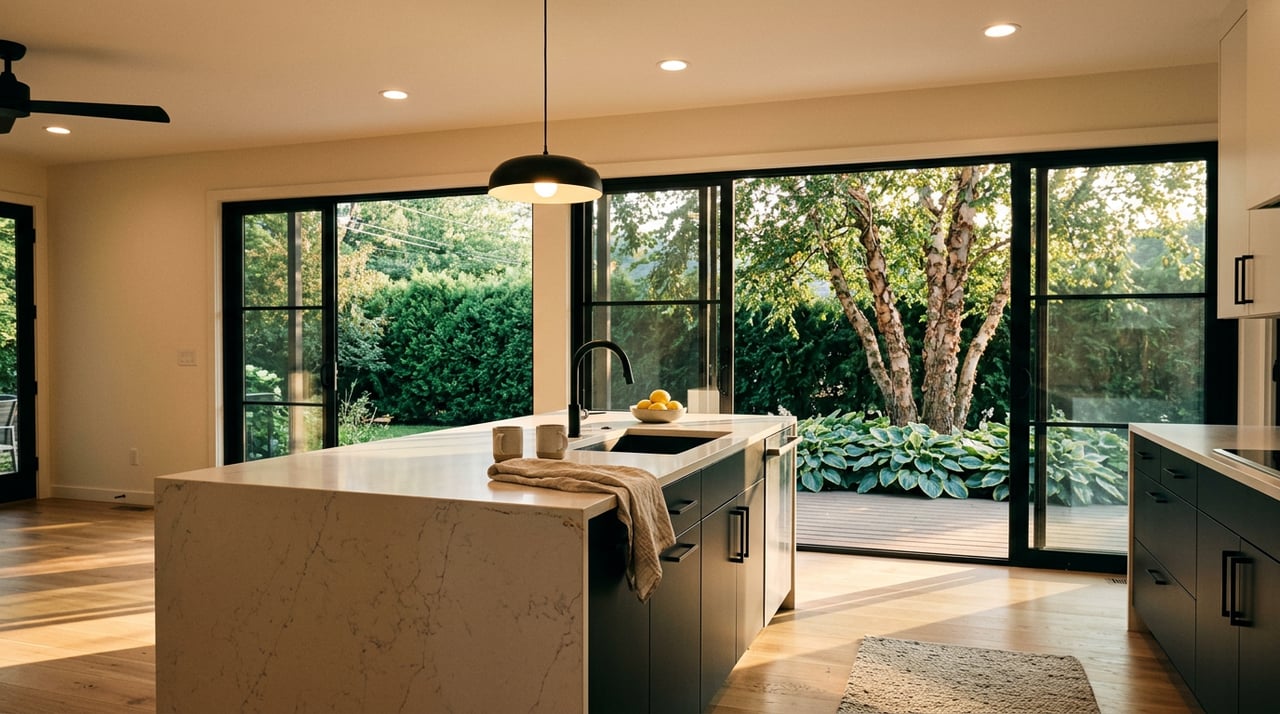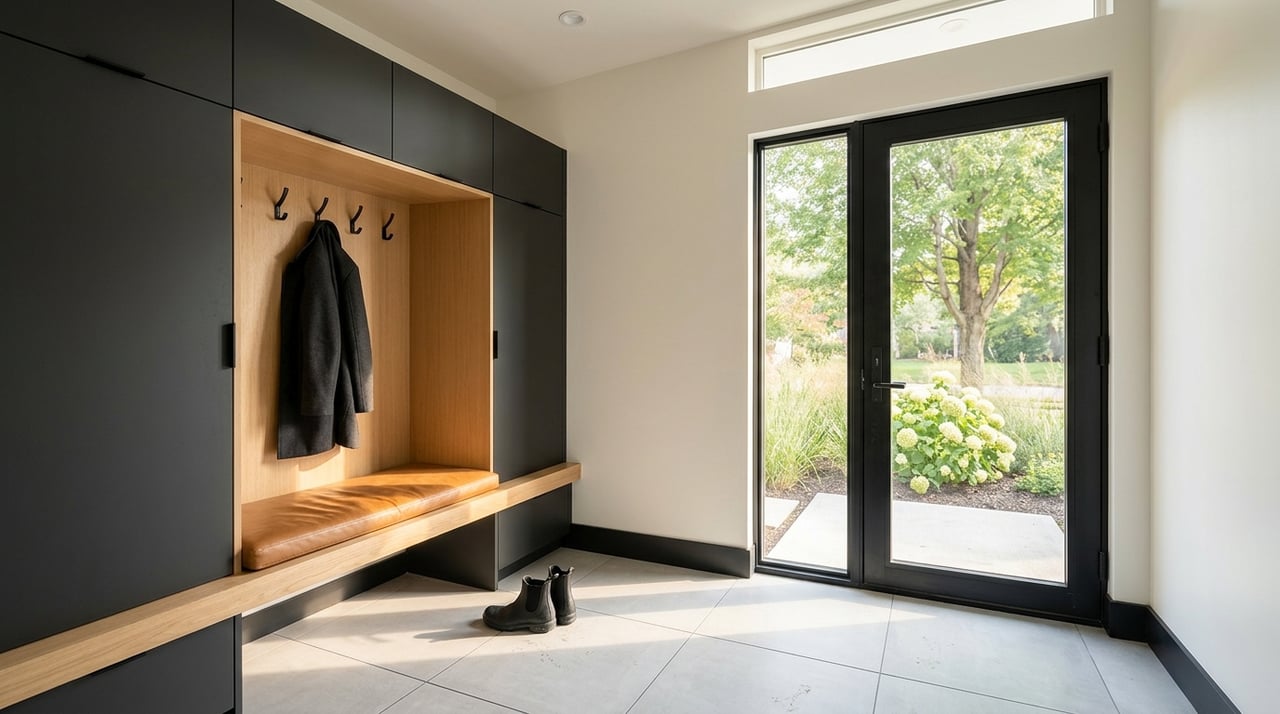
If you work in Madison but want a more suburban home base, DeForest probably pops up on your list fast. That makes sense. It offers direct highway access, newer development, and a layout that feels different from the city, but it is not a simple bargain play. If you are thinking about buying in DeForest as a Madison commuter, here is what to expect and how to decide if it fits your goals. Let’s dive in.
Why DeForest Works for Madison Commuters
DeForest sits on Interstate 39/90/94 at the crossroads of U.S. 51 and WI 19, and the village describes itself as a northern gateway to Madison. For many buyers, that road access is the main draw. If your daily routine depends on getting in and out of Madison efficiently, location matters as much as the house itself.
The commute pattern backs that up. Census data shows a mean one-way commute time of 26.2 minutes for DeForest residents, compared with 19.4 minutes in Madison. That longer average lines up with what you would expect from a suburban commuter market.
DeForest is not just loosely connected to Madison either. A Dane County housing study found that 52% of DeForest residents worked in Madison and 79% worked somewhere in Dane County in 2018. In other words, if you are considering DeForest because you work in Madison, you would be making a move many other local households have already made.
What Daily Life Feels Like
For most buyers, DeForest is appealing because it offers a different rhythm from Madison. The housing pattern is more suburban, with planned neighborhoods and development shaped around convenient access to transportation, jobs, shopping, and services.
That can be a strong fit if you want a home base with a little more separation between work and home. You may find that the tradeoff of a longer drive feels worth it if your priority is a quieter residential setting, more yard space, or newer housing options.
This does not mean DeForest is better than Madison. It means it serves a different kind of buyer. If you want a more urban setting or a wider range of compact housing types, Madison may still match your lifestyle better.
What You Will Likely Find on the Market
One of the biggest things to understand before you start touring homes is that DeForest inventory is not shaped the same way as Madison inventory. Right now, the supply picture is heavily influenced by newer subdivisions and planned development.
The village’s 2025 inventory shows approved but unbuilt housing concentrated in developments such as Buhler Farm, Conservancy Place, Heritage Gardens, Rivers Turn, Savannah Brooks, Homestead Addition, DeForest Yards, River’s Bend, and Springs at DeForest. That matters because your search is likely to focus on specific pockets of newer construction and recent builds, not a broad spread of older resale homes across the village.
The product mix also leans toward denser new housing. In the future approved but unbuilt pipeline, 74% of units are multifamily, 19% are single-family, and 7% are duplex. For buyers, that means townhomes, multifamily options, and newer attached housing will continue to be an important part of the local supply story.
In 2024 alone, the village approved 444 new housing units, including 77 single-family homes, 52 two-family units, and 315 multiple-family units. So yes, detached homes are still part of the picture, but the overall growth pattern is broadening beyond traditional single-family housing.
Detached Homes May Move Fast
If you want a single-family home with a yard, go in with realistic expectations. As of January 1, 2025, DeForest had only 25 improved vacant single-family lots available, while the broader DeForest-Windsor area had 143.
That is a tight lot supply for buyers focused on detached housing. In practical terms, you may need to act quickly when a well-located resale or build opportunity comes up.
This is especially true if your checklist includes newer construction, a larger lot, and an easy Madison commute. Those features tend to narrow the field quickly.
DeForest vs. Madison on Price
A lot of buyers assume DeForest will be meaningfully cheaper than Madison. The reality is more nuanced.
Census QuickFacts puts the median value of owner-occupied homes at $359,600 in DeForest and $372,900 in Madison. That tells you the two markets sit in a similar value band at a broad level.
The village’s 2025 housing affordability report shows an even clearer picture. The DeForest-Windsor median home sales price reached $442,900 in 2024, slightly above Dane County’s $440,000 median. New single-family homes averaged $580,534.
That is why I would not frame DeForest as an automatic budget alternative to Madison. It can still offer value, especially if you want newer homes, a more suburban layout, or more lot for the money, but price overlap is real.
Where DeForest May Offer Value
Value is not always about the lowest purchase price. Often, it is about what you get for your money.
In DeForest, that can mean a newer subdivision setting, a more suburban street pattern, or a home site with more yard space than you might find in many Madison locations. If those features matter to you, the comparison is not just about price per square foot or median sale numbers.
It is also worth noting that the village code generally supports larger suburban lots. Minimum single-family lot sizes range from 22,000 square feet in RE-1 to 7,000 square feet in RN-2A. Madison’s zoning includes smaller minimums, including 6,000 square feet per single-family unit in SR-V1 and 3,000 square feet in downtown residential districts.
That zoning difference helps explain why DeForest often appeals to buyers who prioritize yard space and lower-density neighborhoods. Madison offers more compact-lot and higher-density options, while DeForest leans more suburban in form.
Who Is the Best Fit for DeForest
DeForest tends to make the most sense if your priorities look something like this:
- You work in Madison and want straightforward highway access
- You prefer suburban neighborhoods over a more urban setting
- You want the possibility of newer construction
- You care about lot size and yard space
- You are open to townhomes, duplexes, or other newer higher-density options if single-family choices are limited
If that sounds like you, DeForest deserves a close look. If your top priorities are walkability, compact housing choices, or a shorter average commute, you may want to compare it carefully against Madison neighborhoods that better match those goals.
How to Shop Smart in DeForest
If you are serious about buying in DeForest as a Madison commuter, it helps to stay focused on the factors that will affect your day-to-day life the most.
First, define your commute boundaries early. DeForest as a whole may work for Madison access, but your exact location in the village can still shape how your routine feels.
Second, decide whether you are open to multiple housing types. Since a large share of the pipeline is multifamily and townhome-oriented, flexibility can give you more options.
Third, separate price from value. A home in DeForest may not come in dramatically below Madison pricing, so the better question is whether the layout, lot, age, and setting give you the lifestyle you want.
Finally, be ready for tight detached-home inventory. If the right single-family property hits the market, especially one that checks the boxes for commute and lot size, hesitation can cost you.
The Bottom Line on DeForest
DeForest works well for many Madison commuters because it combines regional highway access with a suburban development pattern that is harder to find in more urban parts of the metro. It is a practical choice for buyers who want newer neighborhoods, a different pace, and potentially more outdoor space.
At the same time, it is important to go in with clear expectations. Detached-home lot supply is limited, new construction is not necessarily entry-level, and prices can overlap more with Madison than many buyers expect.
If you want help comparing DeForest with Madison-area alternatives, narrowing down the right neighborhoods, or touring homes in person or virtually, reach out to Josh Brost. I’d be glad to help you find the right fit for your commute, budget, and lifestyle.
FAQs
Is DeForest a good place to live if you work in Madison?
- DeForest can be a strong fit for Madison commuters because it sits on I-39/90/94 near U.S. 51 and WI 19, and 52% of DeForest residents in a Dane County housing study worked in Madison.
Is DeForest cheaper than Madison for homebuyers?
- Not always. Census data shows DeForest and Madison in a similar value band, and the 2025 DeForest-Windsor report says the 2024 median home sales price in DeForest-Windsor was $442,900.
What kind of homes can you find in DeForest, Wisconsin?
- Buyers will often see newer subdivision homes, townhomes, duplexes, and multifamily options, with a limited supply of improved vacant single-family lots.
Are there many new construction homes in DeForest?
- There is active development, but much of the approved future supply is weighted toward multifamily and townhome product rather than a large pool of detached single-family homes.
How long is the average commute from DeForest to work?
- Census QuickFacts reports a mean one-way commute time of 26.2 minutes for DeForest residents, which is longer than Madison’s 19.4 minutes and fits a suburban commuter pattern.
Is DeForest a good option if you want a bigger yard?
- It can be, since DeForest zoning generally allows larger minimum single-family lot sizes than Madison, making it appealing for buyers who prioritize more yard space and lower-density neighborhoods.